Understanding PID Mechanism and Solutions for P-Type and N-Type Panels
Addressing PID involves understanding its causes and implementing effective solutions. This Solis seminar delves into the PID mechanisms specific to P-type and N-type

Addressing PID involves understanding its causes and implementing effective solutions. This Solis seminar delves into the PID mechanisms specific to P-type and N-type

PID (Potential Induced Degradation), also known as Potential Induced Decay, is caused by a high potential difference between the semiconductor material and the other components
Es el llamado efecto PID, que traducido, viene a significar, Degradación por Potencial Inducido. Como decimos, es un efecto que muchos

Addressing PID involves understanding its causes and implementing effective solutions. This Solis seminar delves into the PID

Potential induced degradation (PID) is a phenomenon that arises over time (months or even years). It may be negligible in the plant''s early stage

Technological Innovations: Advancements in solar module design, such as the integration of PID-resistant materials and the use of alternative cell technologies, have shown promise in reducing PID

PID occurs when a high voltage potential difference exists between the module and ground, leading to ion migration and the formation of
Potential-induced degradation (PID) is a potential-induced performance degradation in crystalline photovoltaic modules, caused by so-called stray currents. This effect may cause power loss of up to

PID occurs when a high voltage potential difference exists between the module and ground, leading to ion migration and the formation of conductive paths. This results in reduced
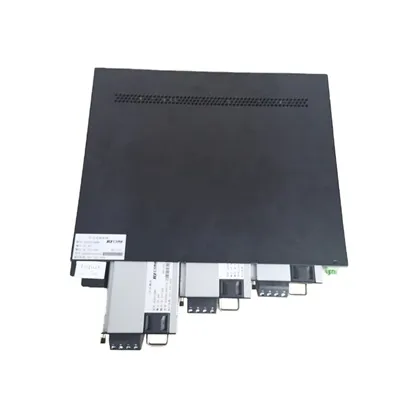
Potential Induced Degradation (PID) is a phenomenon that affects the performance of solar panels over time. It occurs when an unwanted electrical potential is induced between the

Potential-induced degradation (PID) is a potential-induced performance degradation in crystalline photovoltaic modules, caused by so-called stray currents. This effect may cause power loss of up to 30 percent. The cause of the harmful leakage currents, besides the structure of the solar cell, is the voltage of the individual photovoltaic (PV) modules to the ground. In most ungrounded PV systems, the PV modules
Es el llamado efecto PID, que traducido, viene a significar, Degradación por Potencial Inducido. Como decimos, es un efecto que muchos desconocen, incluido instaladores,
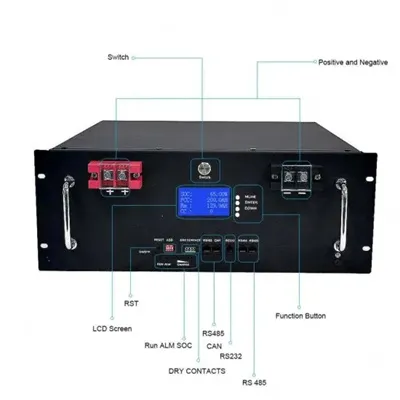
PID (Potential Induced Degradation), also known as Potential Induced Decay, is caused by a high potential difference between the
PID occurs when a high voltage potential difference exists between the module and ground, leading to ion migration and the formation of conductive paths. This results in reduced power

Potential induced degradation (PID) is a phenomenon that arises over time (months or even years). It may be negligible in the plant''s early stage but, over time, becomes more
La versión PDF incluye el artículo completo con referencias. Adecuado para impresión y lectura sin conexión.